Hyperglycemia
What Is It And How Can You Prevent It?
High blood sugar, also known as hyperglycemia, is the most common metabolic disorder. It occurs when the blood glucose level is too high. It is caused by an increase in the production of glucose in the body. The causes of hyperglycemia include excess carbohydrates, lack of exercise, excessive alcohol consumption, or a change in body weight. When the blood sugar level rises above normal, it can lead to serious complications such as dehydration, cardiovascular disease, kidney failure, blindness, and many other health problems.
Symptoms of Hyperglycemia
Symptoms of hyperglycemia include frequent urination, thirst, blurred vision, fatigue, dry skin, dry mouth, hunger, and irritability. If you experience any of these symptoms, you should immediately consult your physician.
Preventing High Blood Sugar
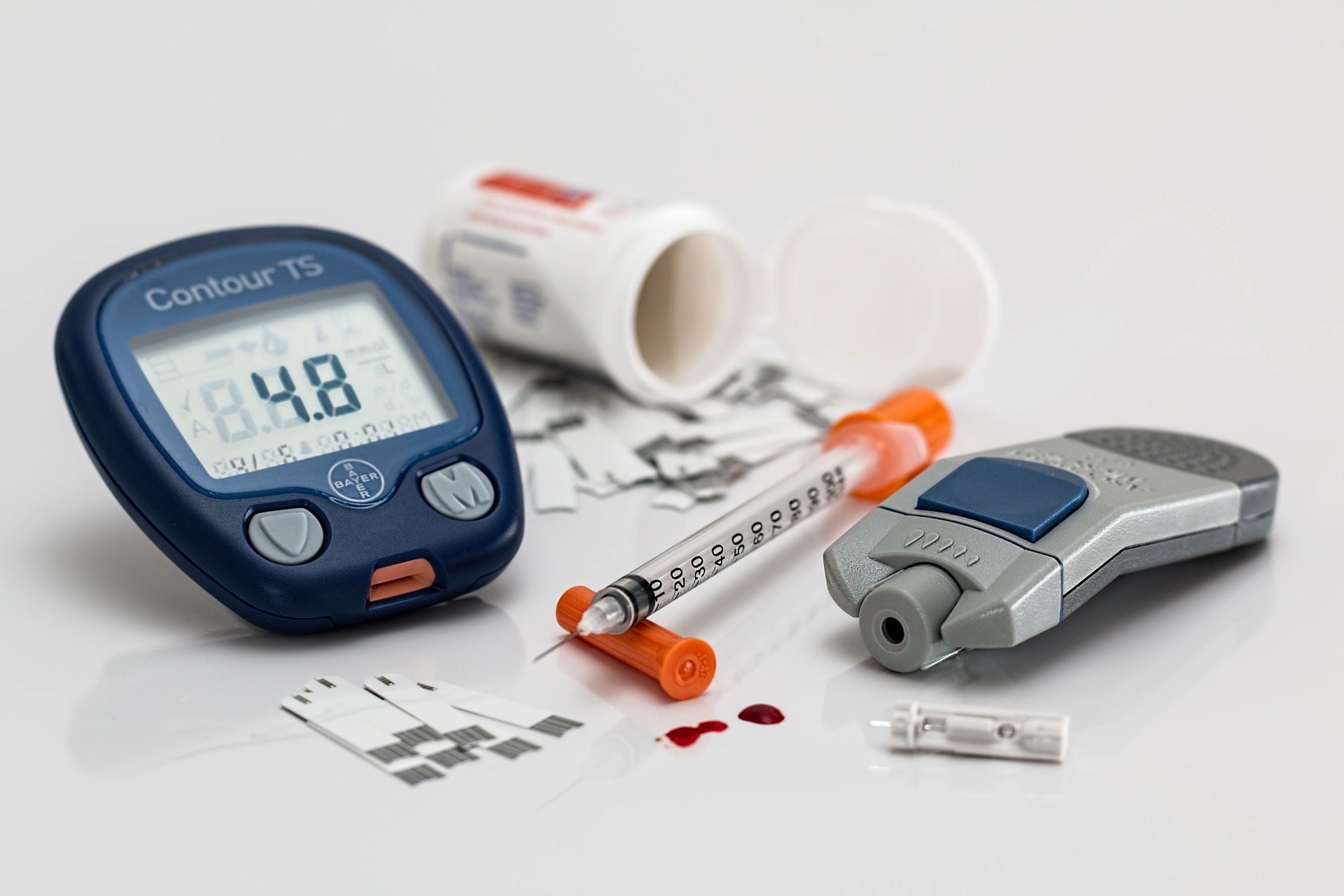
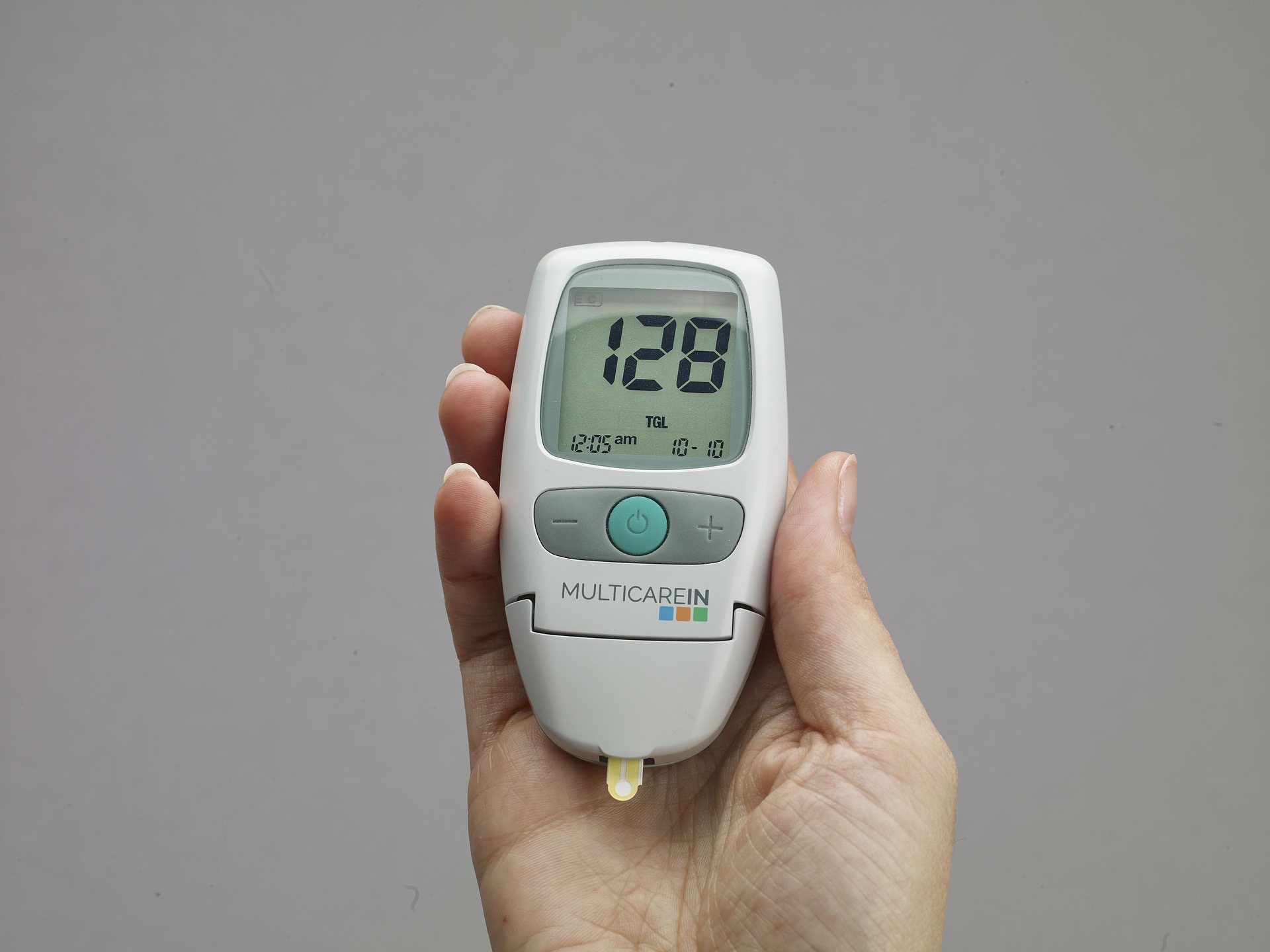
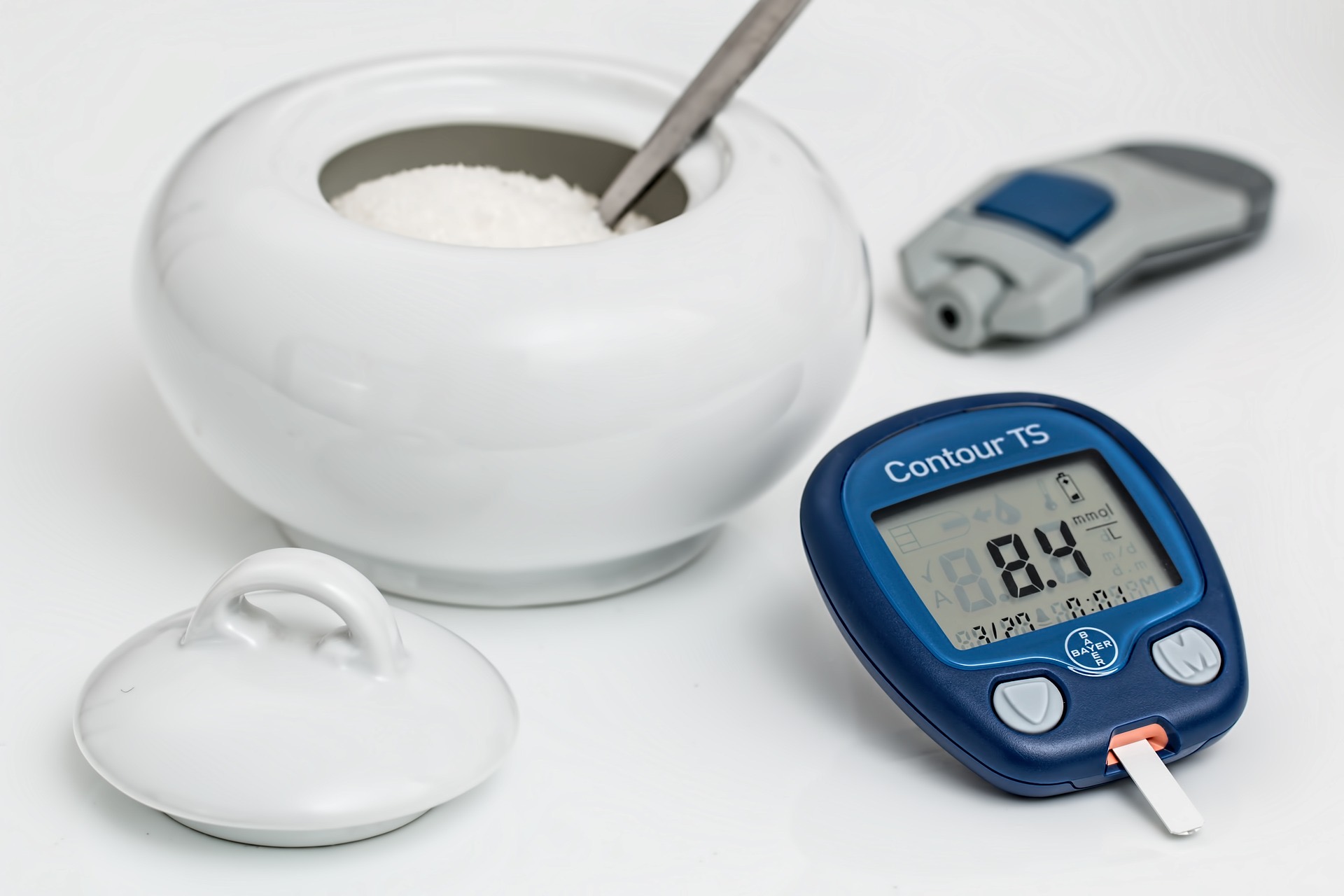
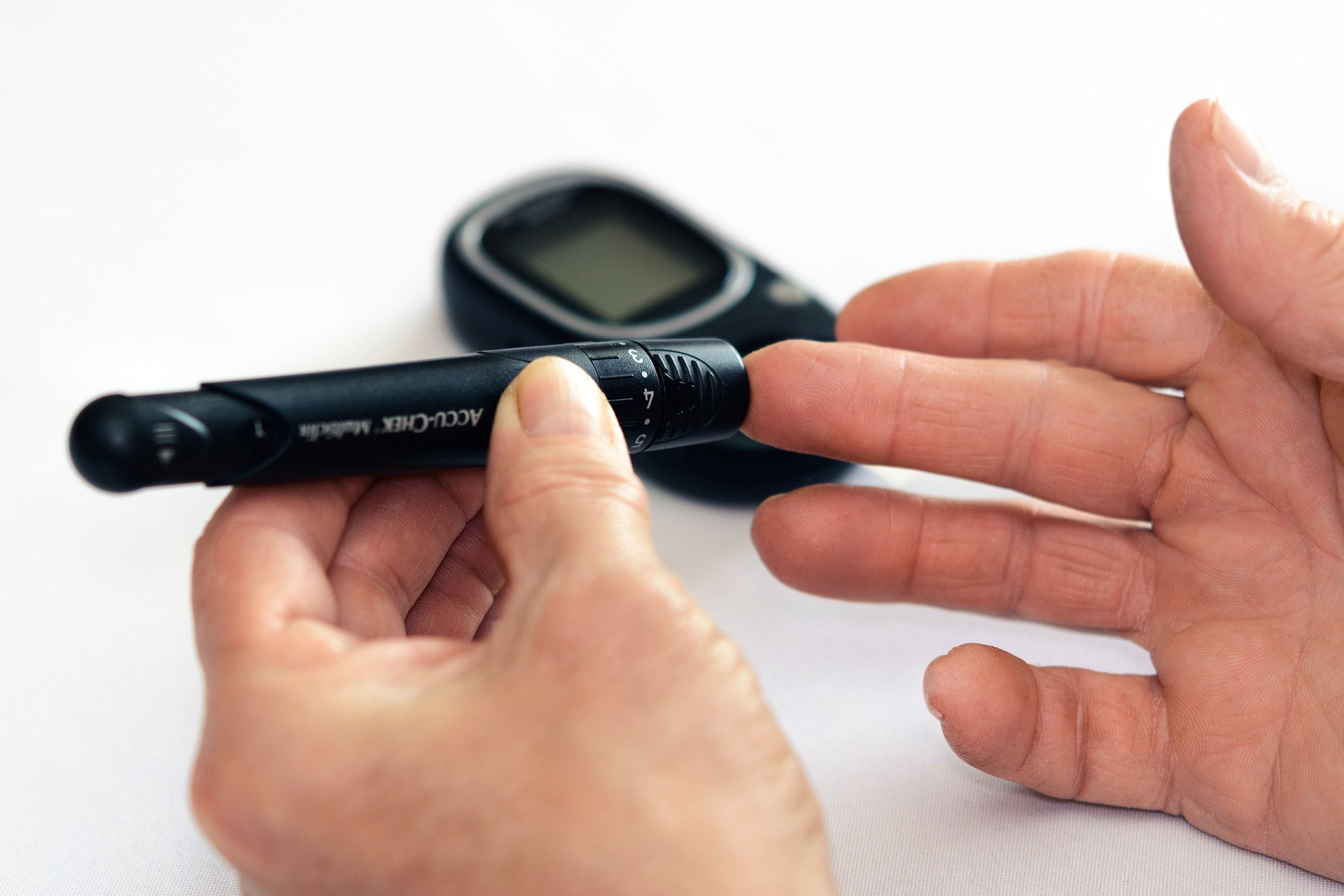
To prevent hyperglycemia, you must follow a healthy lifestyle that includes proper diet, regular exercise, and adequate rest. You should avoid eating foods that contain a lot of carbohydrates, such as bread, pasta, rice, potatoes, and starchy vegetables. You should eat plenty of fresh fruits and vegetables. These foods will help keep your blood sugar levels balanced. If you have diabetes, you should check your blood sugar level regularly. If it is too high, you should take insulin shots or eat foods with low glycemic index. If you don't have diabetes, you should still check your blood sugar level every day to make sure it is within the normal range.
Diagnosing Hyperglycemia
If you have high blood sugar, you may be diagnosed with diabetes or prediabetes. Prediabetes is a condition that occurs before diabetes. People who have prediabetes usually do not know they have it. They may have no symptoms, but their bodies show signs of high blood sugar. To diagnose hyperglycemia, your doctor will test your blood sugar level. If you have high blood sugar, he will also measure your HbA1C level. HbA1C is a type of hemoglobin that is produced by red blood cells. It helps doctors determine the average blood sugar level over the past two to three months. If you have high blood glucose, your HbA1C is higher than normal. If you have diabetes, your HbA1c is higher than 6.5%.